Western Digital RE 4TB 7200 RPM Review: Who It Fits and Who Should Skip It
As an Amazon Associate we earn from qualifying purchases. Links on this page are affiliate links.
This western digital re wd4000fyyz 4tb 7200 review focuses on an enterprise-grade internal drive built for constant operation. It features a 4TB storage capacity and spins at 7200 RPM. These two specs define its performance profile for business-critical applications. The drive uses a SATA 6.0Gb/s interface and includes 64MB of cache. It is designed for 24x7 duty cycles with a high mean time between failures rating. You get a 3.5-inch form factor that fits standard server bays. This unit targets users who need reliable nearline storage for demanding workloads without compromise.
What stands out
- 7200 RPM rotational speed for high random I/O rates
- 4TB capacity for large-scale data storage needs
- 64MB cache buffer to maximize performance
- SATA 6.0Gb/s interface for fast data transfer
- 1.2 million hour MTBF for 24x7 reliability
Who it fits
Good fit for
You should choose this drive if you run a small business or home lab that requires constant uptime. The 7200 RPM speed and 64MB cache help with business-critical applications. Its 4TB capacity suits users who need substantial nearline storage. The 3.5-inch form factor fits standard enterprise chassis. If you need a drive for a 24x7 server with a 100% duty cycle, this OEM model provides the necessary reliability and sustained sequential data rates.
Who should skip it
Skip this drive if you are building a quiet desktop PC. The 7200 RPM speed generates more noise and heat than lower-speed options. It lacks the compact size needed for small form factor builds. You should also avoid it if you need plug-and-play consumer software features. This is an OEM enterprise drive, not a consumer product. If you prioritize silence or small size over raw enterprise throughput, look for a different model.
Verdict: This is a robust enterprise drive for users who prioritize reliability and sustained performance. It fits well in servers but is overkill for quiet desktops.
Key specs explained
Storage Capacity: 4TB
This drive holds 4 terabytes of data. You can store large files, extensive photo libraries, or multiple virtual machines. It suits users who need substantial local storage without buying multiple smaller drives. When comparing NAS drives, higher capacity reduces the number of units required in your enclosure, which can lower power consumption and noise levels over time.
Rotational Speed: 7200 RPM
The platters spin at 7200 revolutions per minute. This speed allows for faster data access compared to slower 5400 RPM drives. You benefit from quicker load times for applications and files. This is ideal for business-critical tasks where latency matters. If you prioritize quiet operation and energy efficiency, you might consider slower drives, but 7200 RPM offers superior performance for active workloads.
Cache Size: 64MB
The drive includes 64 megabytes of onboard memory. This cache buffers data between the disk platters and your computer. It helps smooth out data transfers and improves random read/write performance. You will notice faster response times when handling many small files. Larger caches generally support more complex operations, making this spec important for systems running multiple applications simultaneously.
Hardware Interface: SATA 6.0Gb/s
This interface connects the drive to your motherboard or NAS controller. The 6.0Gb/s speed limits transfer rates to approximately 600 MB/s. It is a standard connection compatible with most modern systems. You do not need special cables or adapters. This interface ensures broad compatibility, though it caps performance below what newer NVMe drives can achieve, keeping costs lower for bulk storage needs.
Form Factor: 3.5in
The drive measures 3.5 inches in width. This is the standard size for desktop computers and most NAS enclosures. You must ensure your case or drive bay can accommodate this physical dimension. It is not suitable for laptops or small form factor builds that require 2.5-inch drives. This size allows for larger platters, which supports the higher capacity and rotational speeds found in this model.
Physical Design and Build Specs
According to the listing, this drive measures 9.3 inches in length, 5.4 inches in width, and 3.7 inches in height. These dimensions align with the standard 3.5-inch form factor. You will find it fits into most desktop chassis and standard server racks. The silver finish suggests a utilitarian industrial aesthetic rather than a decorative one. This look prioritizes function over style, which is typical for enterprise hardware. The weight is listed at 1 pound. This mass provides stability during high-speed rotation. It helps reduce vibration noise when installed in a crowded drive bay. The 7200 RPM spindle speed generates more heat and noise than slower drives. You need a case with adequate airflow to manage this thermal output. The SATA 6.0Gb/s interface connects via a standard cable. This layout ensures compatibility with older and newer motherboards. The 64MB cache sits on the circuit board inside the sealed unit. You cannot access or upgrade this component. The design is sealed to protect internal components from dust and humidity. This construction supports its claim of 24x7 operation. You should mount it securely to prevent movement. The OEM packaging implies it lacks retail accessories. You must provide your own mounting screws and cables. This drive is built for integration, not standalone display. Its physical presence is meant to be hidden inside your system. The robust build quality supports its high MTBF rating. It is designed to last in demanding environments without frequent replacement.
Setup and everyday use
Setting up this drive is straightforward for anyone familiar with internal storage. The SATA 6.0Gb/s interface ensures compatibility with most modern motherboards and NAS enclosures. You connect the SATA data cable and power connector, then mount the 3.5-inch drive into a standard bay. The 64MB cache helps manage data flow efficiently during initial formatting and partitioning. Once installed, the 7200 RPM rotational speed provides consistent performance for business-critical applications. You will notice sustained sequential data rates of 171 MB/s, which supports smooth file transfers and quick access to large datasets. The dual processor feature maximizes performance by handling complex tasks with twice the processing power. This is particularly useful when running multiple virtual machines or managing extensive photo libraries. The drive is designed for 24x7 operation with a 100% duty cycle, making it suitable for always-on environments. You can rely on the 1.2 million hour MTBF rating for long-term reliability in demanding storage needs. The OEM packaging means you receive the drive directly from the manufacturer. You should ensure your system supports the hardware interface and has adequate power delivery. This drive suits users who need high capacity and speed without the need for external connectivity options. It is ideal for enterprise settings or serious home labs where constant uptime is required.
Before You Buy This Drive
This drive is built for 24/7 operation with a high duty cycle. You should verify your NAS or motherboard supports SATA 6.0Gb/s interfaces. The 3.5-inch form factor requires adequate space in your chassis. Check that your power supply provides enough connectors for internal drives. Since this is an enterprise model, ensure your system handles the heat output from continuous 7200 RPM spinning. You may need additional cooling fans if your enclosure lacks airflow. The 64MB cache helps with random I/O tasks, but you should still monitor performance under heavy loads. This drive sits alongside other WD RE models in the 1 products listed. It suits users who prioritize reliability over quiet operation. Keep backups of your data, as no drive is immune to failure. Regular SMART checks are recommended to track health. This option fits well for users needing high capacity and sustained transfer rates without compromising on uptime.
Check before you buy
- Confirm SATA 6.0Gb/s port availability on your motherboard or NAS
- Verify 3.5-inch bay space and power connectors in your chassis
- Check if your system handles heat from 24/7 7200 RPM operation
- Ensure adequate airflow for enterprise-grade drive cooling
The product at a glance
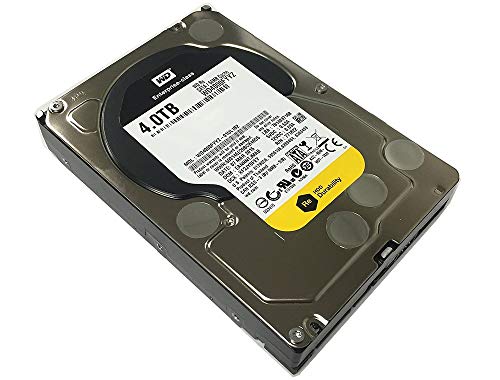
Western Digital RE 4TB 7200 RPM Hard Drive
Best for: Enterprise nearline storage requiring 24/7 reliability
- Storage Capacity
- 4TB
- Form Factor
- 3.5in
- Hardware Interface
- SATA 6.0Gb/s
- Rotational Speed
- 7200 RPM
- Cache Size
- 64MB
- Dimensions
- 9.3 × 5.4 × 3.7 inches
View on Amazon: Western Digital RE 4TB 7200 RPM Hard Drive Affiliate link
The Western Digital RE 4TB is an enterprise-grade internal hard drive built for 24/7 operation. It features a 7200 RPM rotational speed, 64MB cache, and SATA 6.0Gb/s interface. With a 1.2 million hour MTBF, it suits demanding nearline storage needs. You get sustained sequential data rates of 171 MB/s. This drive is designed for business-critical applications requiring high reliability and continuous duty cycles.
Pros
- 7200 RPM rotational speed for high performance
- 64MB cache for improved data handling
- 1.2 million hour MTBF for reliability
- SATA 6.0Gb/s interface for fast transfers
Cons
- Only 4TB capacity limits large storage needs
- 1-pound weight adds bulk to enclosures
- No mention of vibration sensors for RAID stability
Good fit if
- You need enterprise reliability for 24/7 operation
- You require high rotational speed for performance
- You are building a nearline storage system
Skip if
- You need more than 4TB of space
- You prioritize silent operation over speed
- You want a drive with advanced vibration control
Verdict: Western Digital RE 4TB 7200 RPM is a reliable workhorse for users needing enterprise-grade durability and consistent performance in nearline storage environments. It fits those who prioritize sustained data rates and long-term reliability over high capacity.
Specifications side by side
| Spec | Western Digital RE 4TB 7200 RPM Hard Drive |
|---|---|
| Storage Capacity | 4TB |
| Form Factor | 3.5in |
| Hardware Interface | SATA 6.0Gb/s |
| Rotational Speed | 7200 RPM |
| Cache Size | 64MB |
| Dimensions | 9.3 × 5.4 × 3.7 inches |
| Weight | 1 pounds |
| Size | 4 TB |
| Color | Silver |
| Model | WD4000FYYZ OEM-cr |
Frequently asked questions
Is this drive suitable for a home NAS?
Yes, it works well for home networks that need high reliability. The 7200 RPM speed provides faster data access than slower drives. This is helpful for streaming large media files or running multiple virtual machines. You get enterprise-grade durability in a consumer-friendly package.
Does it fit in standard desktop computers?
Yes, the 3.5-inch form factor fits standard desktop chassis. The drive measures 9.3 inches long, 5.4 inches wide, and 3.7 inches high. This is the standard size for internal desktop hard drives. You will need an available 3.5-inch drive bay and a SATA power connector.
What is the cache size on this model?
It features a 64MB cache. This buffer helps manage data flow between the platters and the SATA interface. A larger cache can improve performance during heavy read and write tasks. It supports sustained data rates for consistent performance in demanding environments.
Can I use this for video editing?
Yes, the 7200 RPM rotational speed offers good throughput. This is faster than 5400 RPM drives, which is beneficial for editing large video files. The 4TB capacity holds extensive media libraries. You get reliable performance for creative workflows that require consistent data access.
Is the interface SATA 6.0Gb/s?
Yes, it uses a SATA hardware interface. This ensures compatibility with most modern motherboards and NAS enclosures. You connect it using a standard SATA data cable and power connector. This interface type is widely supported and easy to install in existing systems.
How heavy is the drive?
The drive weighs 1 pound. This is typical for a 3.5-inch internal hard drive. The weight provides stability inside the chassis. You do not need special mounting hardware beyond standard drive cages or brackets found in most desktop cases and NAS units.